Drain Cleaning in Sonoma County During El Niño

When steady rain hits Sonoma County, a driveway drain covered in leaves can send runoff toward a garage or storefront. A toilet that gurgles while the washing machine drains points to a different problem, especially if water also rises in a shower. Knowing which symptoms to look for can help you decide whether to check a storm drain or call for sewer drain cleaning.
What El Niño means for Sonoma County drains
El Niño can influence winter storm patterns, but Sonoma County’s rainfall depends heavily on the timing and path of individual storms. The National Weather Service’s Northern California El Niño guide explains why the pattern alone tells us little about local rainfall. The best time to check private drains is before a heavy-rain forecast, especially if you already know where water likes to collect.
Watch where the water shows up
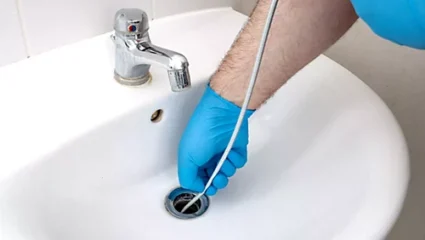
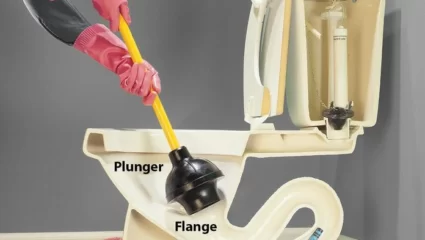
AI-generated images illustrate typical drainage and inspection conditions.


A single slow sink with other fixtures working normally often points to a clog in that fixture’s drain or branch line. If wastewater rises in a tub, shower or floor drain, stop using water and call for help. Keep people and pets away from the affected area.
Three checks to make before the next storm
- Start at the lowest point. Look at the bottom of a sloped driveway, the trench drain outside a garage and any catch basin in a commercial parking lot. These are places where leaves and sediment collect.
- Clear loose debris from the surface. When you can work from dry, stable ground, sweep away leaves sitting on accessible private grates. If you can safely see the outlet, check for visible debris there as well. Report a clogged public street inlet to the agency responsible for that street. Santa Rosa residents can use the city’s Rain Ready resources.
- Note problems that come back. Take a photo from a safe spot and record how long water stands after the rain stops. If the same grate stays full after the surface is clear or the same sewer cleanout overflows again, tell the plumber when it last happened and what work was done.
When to use a rooter, hydro jetting or a camera
Mechanical rooter cleaning can open a line blocked by certain obstructions, including some root intrusions. Hydro jetting uses high-pressure water to flush buildup from suitable sewer and storm drain pipes. It can be a good fit for grease in a commercial sewer line or sediment in a private storm line, depending on access and pipe condition.
A camera inspection can help investigate a repeat blockage once the line is clear enough to see. Where equipment and access allow, GAC can trace the camera head and identify the approximate depth and location of a problem. That information can help decide whether cleaning is enough or a section of pipe needs repair.
Frequently asked questions
Can rain make a sewer backup more likely?
Rainwater can enter some sanitary sewer systems through defects or improper connections. A backup during a storm can also coincide with a blockage on the property. Note which fixtures are affected and whether wastewater appears at an exterior cleanout. That helps narrow down where to look.
Why does my driveway still puddle after I clear the grate?
Sediment or debris may have collected below the grate or farther down the pipe. A restricted outlet or a grading issue can also leave water standing. When the same spot floods repeatedly, a closer look can help identify where the water stops moving.
Should I book drain cleaning before a storm?
If a private storm drain already drains slowly, a cleanout has overflowed before, or several fixtures are acting up, schedule an evaluation while access is still dry. Share any photos of past pooling and let the crew know where to find the grate, cleanout or outlet.
Need drain cleaning in Sonoma County?
GAC Plumbing Company serves homes and businesses in Santa Rosa, Petaluma, Rohnert Park, Cotati, Sebastopol, Windsor, Healdsburg, Sonoma and nearby communities. Call (707) 538-8000 for drain cleaning, private storm drain service, hydro jetting or a sewer camera inspection. For an active backup, tell us where the water is appearing and which fixtures are affected.